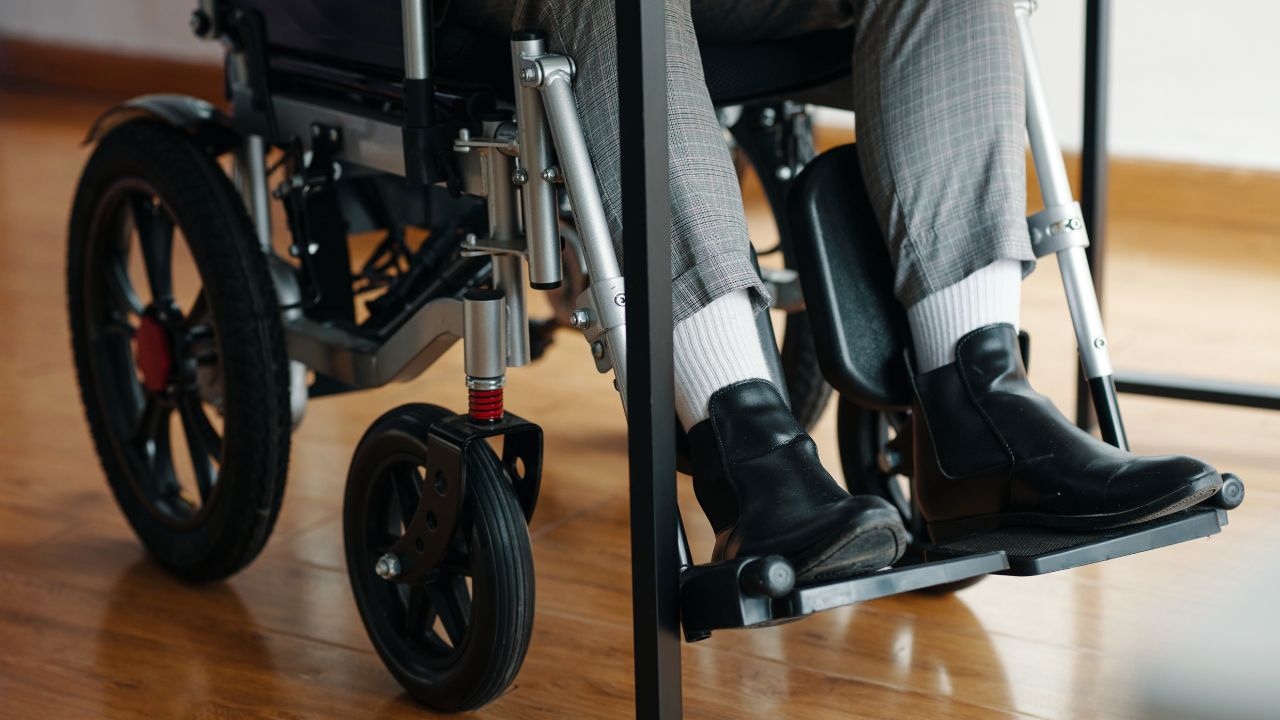
For power wheelchair users, navigating the world involves constantly adapting to different environments, each presenting unique obstacles and requiring distinct navigation strategies. While outdoor spaces offer freedom and accessibility, they come with challenges like uneven terrain and weather conditions. Indoor environments, though seemingly safer, present their own set of difficulties including tight spaces, doorways, and furniture arrangements.
Understanding the specific challenges of indoor versus outdoor wheelchair navigation is essential for users, caregivers, and facilities committed to creating truly accessible environments. More importantly, recognizing these differences helps wheelchair users choose the right solutions and technologies to navigate both settings safely and confidently.
The Indoor Navigation Challenge: Precision in Confined Spaces
Tight Spaces and Doorway Navigation
Indoor environments are designed for walking, not wheeling. Standard residential doorways measure 32-36 inches wide, while power wheelchairs typically range from 24-27 inches in width. This leaves minimal clearance on either side, making doorway navigation one of the most challenging aspects of indoor mobility.
The problem intensifies in older buildings where doorways may be narrower, or in homes with furniture placement that further restricts passage. According to the National Library of Medicine, 45-90% of injuries among adult wheelchair users occur in homes, with many resulting from collisions with doorframes, furniture, and walls while navigating tight spaces.
Navigating corners presents similar challenges. A standard 90-degree turn requires wheelchair users to execute precise maneuvers, often involving multiple forward and backward movements to clear walls and furniture. For users with vision impairments, these maneuvers become even more complex, as judging distances to obstacles in peripheral blind spots becomes nearly impossible.
Furniture and Interior Obstacles
Indoor spaces are filled with obstacles that change position regularly. Chairs pushed out from tables, open cabinet doors, ottomans, floor lamps, and decorative items all create navigation hazards. Unlike permanent architectural features, these movable obstacles require constant spatial awareness and frequent path adjustments.
In healthcare facilities and long-term care homes, the problem multiplies. Research shows that 30% of long-term care residents feel unsafe due to other drivers in the facility. Shared spaces with multiple wheelchair users create dynamic obstacle fields where collision risks increase significantly.
Coffee tables, side tables, and low furniture present particular challenges because they often sit at or below the sight line of wheelchair users, making them difficult to detect until a collision occurs. These “blind spot obstacles” account for a substantial portion of indoor wheelchair accidents.
Surface Transitions and Thresholds
Indoor environments contain numerous surface transitions that create tip and fall hazards. Transitioning from hardwood to carpet, crossing raised thresholds between rooms, or navigating over door saddles requires careful attention and speed adjustments.
These transitions are particularly problematic for power wheelchair users who may be moving at speeds that make sudden stops or elevation changes dangerous. The weight of power wheelchairs (typically 100-300 pounds without the user) creates momentum that makes quick adjustments challenging, increasing collision and tip risks at transitions.
Lighting Variations and Shadows
Indoor lighting varies dramatically from room to room and changes throughout the day. Hallways may be dimly lit while rooms have bright natural light, creating visual adjustment challenges. Shadows cast by furniture and architectural features can obscure obstacles, making spatial judgment difficult.
For wheelchair users with vision impairments, inconsistent indoor lighting compounds navigation difficulties. Vision impairment and power wheelchair use presents unique challenges that require solutions beyond visual navigation cues.
The Outdoor Navigation Challenge: Terrain, Weather, and Accessibility Gaps
Uneven Surfaces and Terrain Variations
Outdoor environments present entirely different challenges. Sidewalks with cracks, uneven pavement, potholes, and surface deterioration create constant navigation obstacles. Grass, gravel, sand, and dirt paths that pedestrians traverse easily become significant barriers for wheelchair users.
According to the Centers for Disease Control and Prevention, outdoor surfaces contribute significantly to wheelchair-related injuries, with 57.4% of children’s wheelchair injuries occurring at locations outside of homes. Uneven terrain increases tip risks and can cause wheelchair users to lose control of their devices.
Tree roots pushing up sidewalk sections, settled pavement creating dips and rises, and poorly maintained surfaces all require wheelchair users to constantly scan ahead and adjust their path. Power wheelchairs can handle some terrain variations, but significant unevenness can cause jarring impacts, equipment damage, and user injury.
Curbs, Ramps, and Elevation Changes
Curbs represent major outdoor navigation barriers. Standard curbs (6 inches) are impassable for most wheelchair users without curb cuts. Even with curb cuts, many are poorly designed with steep slopes, inadequate width, or deteriorated surfaces that create safety hazards.
Ramps, while intended to improve accessibility, often present their own challenges. The ADA Standards for Accessible Design specify maximum ramp slopes of 1:12, but many older ramps exceed this ratio, making them difficult or dangerous to navigate. Wet or icy ramps become particularly hazardous, and ramps without adequate landings don’t provide safe rest points for manual wheelchair users.
Parking lots with sloped surfaces for drainage create another outdoor challenge. These multi-directional slopes can cause wheelchairs to drift sideways, requiring constant correction and making straight-line travel difficult.
Weather Conditions and Visibility
Weather dramatically impacts outdoor wheelchair navigation. Rain creates slippery surfaces and reduces traction for both power and manual wheelchairs. Water accumulation in wheelchair components can cause electrical issues in power wheelchairs, and wet brakes reduce stopping effectiveness.
Snow and ice transform outdoor navigation into a hazardous endeavor. Wheelchair wheels lose traction on icy surfaces, making control difficult. Snow accumulation blocks curb cuts and creates impassable barriers. Cold temperatures affect battery performance in power wheelchairs, reducing range and power.
Wind affects wheelchair stability, particularly for users with high-back wheelchairs or those carrying bags or equipment. Strong winds can push wheelchairs off course or, in extreme cases, contribute to tip-overs.
Sun glare creates visibility challenges, making it difficult to see obstacles ahead or judge distances accurately. This is particularly problematic during morning and evening hours when sun angle is low.
Traffic and Pedestrian Interactions
Outdoor navigation involves sharing space with vehicles, bicycles, and pedestrians. Crossing streets requires judging vehicle speeds and distances, executing crossings within signal timing, and navigating around stopped vehicles at crosswalks.
Pedestrian interactions present their own challenges. Crowded sidewalks require constant path adjustments and speed modifications. Other pedestrians may not notice wheelchair users approaching, creating collision risks. In urban environments, street furniture, utility poles, and building projections reduce effective sidewalk width, forcing wheelchair users into vehicle traffic lanes.
Indoor Solutions: Technology and Environmental Modifications
Blind Spot Detection for Tight Spaces
The most effective solution for indoor navigation challenges is blind spot detection technology specifically designed for wheelchairs. Unlike automotive blind spot systems that focus on highway-speed collisions, wheelchair blind spot detection must handle close-proximity obstacles, low-speed maneuvers, and confined-space navigation.
Advanced systems provide multi-modal alerts using light, sound, and vibration to notify users of obstacles in their blind spots. More importantly, next-generation systems include guidance screens that provide real-time navigation instructions, helping users understand not just that an obstacle exists, but how to navigate around it safely.
Research demonstrates the effectiveness of this technology: 83% of smart wheelchair users can avoid obstacles after sensor integration. This dramatic improvement in navigation safety makes blind spot detection one of the most valuable technologies for indoor wheelchair use.
Understanding why every wheelchair user needs Navigotech’s blind spot detection becomes clear when considering the complexity of indoor navigation and the frequency of indoor accidents.
Environmental Modifications for Safer Indoor Navigation
While technology provides significant benefits, environmental modifications remain essential for safe indoor navigation:
Doorway Widening: Expanding doorways to 36 inches or wider provides adequate clearance for power wheelchairs and reduces collision risks.
Clear Pathways: Maintaining 36-inch minimum pathway widths throughout homes and facilities ensures wheelchair users can navigate without constant obstacle avoidance.
Furniture Arrangement: Strategic furniture placement creates predictable navigation paths and reduces blind spot obstacles.
Lighting Improvements: Consistent, adequate lighting throughout indoor spaces helps all users navigate safely. Motion-activated lights in hallways and bathrooms provide illumination when needed without requiring users to reach switches.
Threshold Elimination: Removing or minimizing thresholds between rooms eliminates tripping hazards and surface transitions. Where thresholds are necessary, beveling edges and installing threshold ramps reduces transition difficulty.
Color Contrast: Using contrasting colors between floors, walls, and furniture helps users with vision impairments distinguish boundaries and obstacles.
These modifications complement technology solutions, creating comprehensively safe indoor environments. For facilities serving wheelchair users, making wheelchair mobility easier for the aging population requires addressing both technological and environmental factors.
Outdoor Solutions: Adaptive Technology and Route Planning
All-Terrain Capabilities and Power Management
Outdoor navigation requires wheelchairs with appropriate terrain capabilities. Power wheelchairs with larger wheels, enhanced suspension, and higher ground clearance handle outdoor surfaces more effectively. Mid-wheel drive systems provide better obstacle climbing, while rear-wheel drive offers superior outdoor stability.
Battery management becomes critical for outdoor use. Power wheelchairs should have sufficient range for intended outdoor activities, with users understanding how terrain, temperature, and speed affect battery life. Many modern power wheelchairs include battery management systems that provide real-time range estimates and low-battery warnings.
Weather Protection and Adaptive Equipment
Weather-resistant wheelchair covers protect electronic components from rain and snow. Specialized tire treads improve traction on wet or slippery surfaces. Fenders prevent water and mud from splashing onto users and equipment.
For users in cold climates, battery blankets maintain optimal battery temperature, preserving power and range. Hand warmers and heated seats increase user comfort during cold-weather navigation.
Anti-tip devices prevent backward falls when navigating steep ramps or inclines. These safety features are particularly important for outdoor use where terrain variations increase tip risks.
Route Planning and Accessibility Mapping
Smart outdoor navigation involves route planning using accessibility information. Smartphone apps and GPS systems with wheelchair-accessible route options help users identify paths with curb cuts, avoid steep grades, and locate accessible building entrances.
Pre-planning routes allows users to identify potential obstacles, locate accessible restrooms, and estimate travel times accounting for terrain and distance. This preparation reduces stress and increases the likelihood of successful outdoor navigation.
Several online resources provide accessibility information for public spaces, parks, and trails. The U.S. Access Board offers guidelines for outdoor developed areas, helping users identify truly accessible outdoor spaces.
Community Advocacy for Improved Outdoor Accessibility
Individual users can advocate for improved outdoor accessibility in their communities. Reporting accessibility barriers to local authorities, supporting ADA compliance initiatives, and participating in accessibility planning committees helps create better outdoor navigation infrastructure for all wheelchair users.
Bridging Indoor and Outdoor Navigation: Unified Solutions
Adaptive Blind Spot Detection for All Environments
The most advanced wheelchair safety technology adapts to both indoor and outdoor environments. Navigotech’s guidance for the future of mobility aids includes adaptive systems that adjust sensitivity and alert types based on environment and navigation speed.
Indoor mode provides highly sensitive close-proximity detection for tight-space navigation, while outdoor mode adjusts for faster speeds and larger obstacles. Multi-modal alerts ensure users receive notifications appropriate for their sensory abilities and current environment, whether navigating a narrow hallway or a busy sidewalk.
This adaptability makes modern blind spot detection systems valuable for users who navigate both indoor and outdoor environments regularly, providing consistent safety benefits regardless of setting.
Integration with Alternative Drive Controls
For users who operate wheelchairs with alternative drive controls such as sip-and-puff, head arrays, or switch controls, navigation challenges in both indoor and outdoor settings intensify. These control methods require more time to execute maneuvers and may provide less precise control than traditional joysticks.
Advanced blind spot detection systems integrate with alternative drive controls, providing navigation assistance that compensates for reduced control precision. This integration is particularly valuable in tight indoor spaces where precise maneuvering is essential and in outdoor environments where quick obstacle avoidance may be necessary.
Understanding power wheelchair classifications and why safety features should be standard helps users select wheelchairs with appropriate navigation capabilities for their environments.
Practical Tips for Mastering Both Indoor and Outdoor Navigation
Indoor Navigation Best Practices
- Approach doorways straight-on rather than at angles to maximize clearance
- Use slow speeds in confined spaces to maintain precise control
- Scan ahead for furniture and obstacles before entering rooms
- Practice tight turns in open spaces before attempting them in confined areas
- Maintain consistent furniture arrangements to create predictable navigation paths
- Install mirrors at hallway corners to see approaching traffic in facilities
Outdoor Navigation Best Practices
- Inspect routes before traveling to identify potential obstacles or accessibility barriers
- Adjust speed for terrain conditions, slowing on uneven surfaces
- Cross streets at marked crosswalks with adequate crossing time
- Avoid outdoor travel during severe weather when possible
- Carry backup power sources for long outdoor excursions
- Travel with companions when navigating unfamiliar outdoor areas
Both indoor and outdoor navigation benefit from smart safety tips for wheelchair users that address common hazards and promote safe navigation practices.
The Future of Comprehensive Navigation Solutions
As wheelchair technology advances, the distinction between indoor and outdoor navigation solutions continues to blur. Comprehensive systems that adapt automatically to environment, integrate with smart home and smart city infrastructure, and provide predictive navigation assistance are emerging.
The next generation of mobility technology includes AI-powered systems that learn user navigation patterns, anticipate challenges, and provide proactive guidance. These systems promise to make both indoor and outdoor navigation safer, easier, and more confident for all wheelchair users.
Conclusion: Tailored Solutions for Complete Mobility Freedom
Indoor and outdoor wheelchair navigation present fundamentally different challenges requiring tailored solutions. Indoor navigation demands precision, blind spot awareness, and careful maneuvering in confined spaces. Outdoor navigation requires terrain adaptability, weather resistance, and route planning capabilities.
The most effective approach combines appropriate technology, environmental modifications, and navigation strategies specific to each setting. Modern blind spot detection systems that adapt to both environments provide comprehensive safety benefits, while user awareness of environment-specific challenges ensures successful navigation in all settings.
By understanding these differences and implementing appropriate solutions, wheelchair users can navigate both indoor and outdoor environments with confidence, safety, and independence. Whether maneuvering through a narrow hallway or traversing an urban sidewalk, the right combination of technology and technique makes the difference between hesitant navigation and confident mobility.