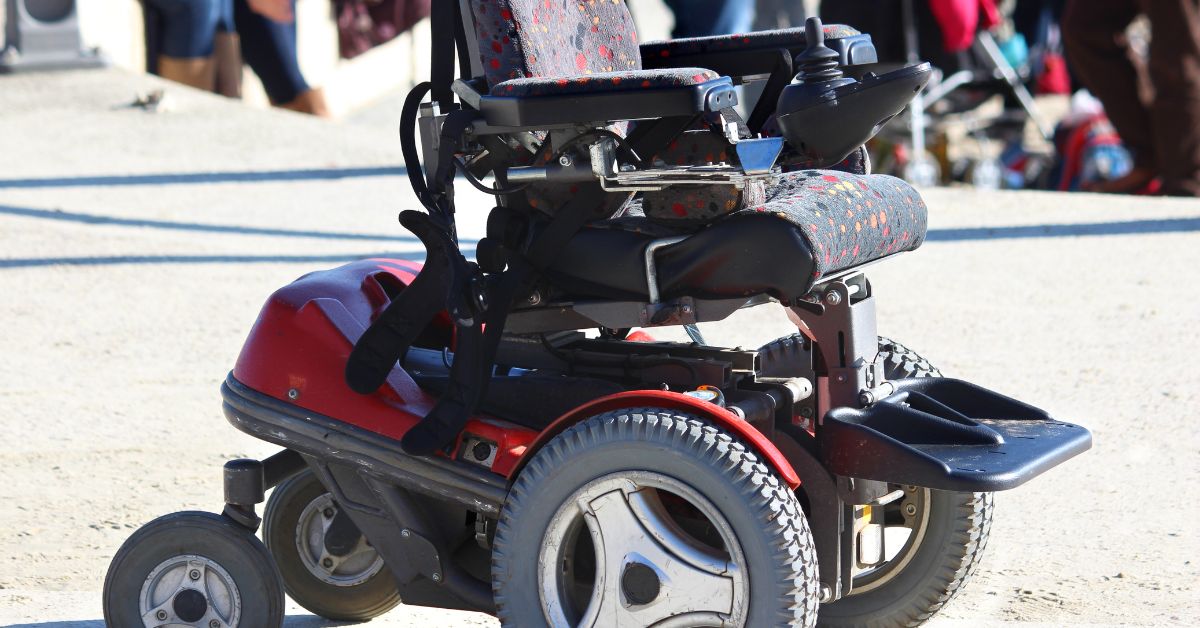
Wheelchair accidents are far more common than most people realize. According to the National Library of Medicine, approximately 100,000 wheelchair-related injuries occur in US emergency rooms each year, with tips and falls accounting for 65-80% of these incidents across all age groups. While the immediate medical consequences of these accidents are obvious, the hidden costs extend far beyond the initial injury, affecting users financially, emotionally, and physically in ways that can persist for years.
Understanding these hidden costs is crucial for wheelchair users, caregivers, and healthcare facilities committed to preventing accidents before they happen.
The Financial Burden Beyond Medical Bills
Immediate Medical Expenses
When a wheelchair accident occurs, the first wave of costs hits quickly. Emergency room visits for wheelchair-related injuries typically range from $1,500 to $3,000, depending on the severity. But this is just the beginning. Fractures, which are common in wheelchair tips and falls, can require surgery, hospitalization, and extended rehabilitation that can easily exceed $50,000.
For power wheelchair users, the risk of serious injury increases with the weight and speed of the device. A collision at even low speeds can result in head trauma, broken bones, or soft tissue injuries that require extensive medical intervention.
Long-Term Care and Rehabilitation
The hidden costs continue long after the initial treatment. Physical therapy sessions can cost $75-$150 per session, with most injury recovery requiring 12-24 weeks of regular therapy. For severe injuries, this translates to $3,600-$14,400 in rehabilitation costs alone.
Many wheelchair accident victims require home health aides during recovery, adding $20-$30 per hour to already mounting expenses. A person needing assistance for just 4 hours daily for three months faces an additional $7,200-$10,800 in care costs.
Equipment Damage and Replacement
Wheelchair accidents don’t just harm users – they damage expensive mobility equipment. Power wheelchairs can cost $2,000-$30,000, and even minor accidents can cause significant damage. A collision might bend the frame, damage the joystick controller, or break sensors and electronic components.
Insurance rarely covers the full replacement cost, and users often face deductibles of $500-$1,000 plus depreciation adjustments. For someone who depends on their wheelchair for independence, being without their device during repairs creates additional costs for temporary mobility solutions or transportation assistance.
The Psychological and Emotional Toll
Fear and Reduced Independence
One of the most devastating hidden costs of wheelchair accidents is the psychological impact. After experiencing a fall or collision, many users develop anxiety about navigating spaces they once moved through confidently. Research published in the Journal of Rehabilitation Research & Development found that 30% of long-term care residents felt unsafe due to other drivers in their facilities.
This fear leads to reduced mobility and independence. Users may avoid going outside, navigating crowded areas, or attempting activities they previously enjoyed. The resulting social isolation can contribute to depression and decreased quality of life, issues that are difficult to quantify but profoundly affect wellbeing.
Caregiver Stress and Burden
Caregivers also bear hidden costs when wheelchair accidents occur. The stress of managing recovery, attending medical appointments, and providing additional physical assistance takes a significant toll. Studies show that family caregivers of individuals with mobility impairments report higher levels of stress, anxiety, and burnout, particularly after accidents that increase care requirements.
Many caregivers reduce work hours or leave employment entirely to provide necessary care, resulting in lost income and career opportunities that can total tens of thousands of dollars annually.
Workplace and Productivity Losses
For wheelchair users who are employed, accidents create hidden costs in lost wages and reduced career advancement. Recovery periods often extend beyond available sick leave, forcing users to take unpaid time off or use disability benefits that typically replace only 60-70% of regular income.
The Centers for Disease Control and Prevention tracks injury-related work loss, showing that mobility device accidents contribute significantly to disability-adjusted life years (DALYs), a measure of overall disease burden expressed as the number of years lost due to ill-health, disability, or early death.
Environmental Modifications and Home Safety Costs
After a wheelchair accident, many users discover their home environment needs modifications to prevent future incidents. Common modifications include:
- Widening doorways: $700-$2,500 per doorway
- Installing ramps: $1,500-$5,000
- Improving lighting: $500-$2,000
- Removing obstacles and reorganizing spaces: Variable costs
These modifications are investments in safety, but they represent unexpected expenses that many families struggle to afford, particularly after already managing medical bills from the initial accident.
The Cost to Healthcare Facilities and Institutions
Healthcare facilities, long-term care homes, and educational institutions face their own hidden costs from wheelchair accidents. These include:
- Increased liability insurance premiums
- Legal costs from injury claims
- Staff training and safety program implementation
- Reputation damage affecting occupancy rates
Understanding these costs highlights why making wheelchair mobility easier for the aging population should be a priority for institutions serving wheelchair users.
Where Wheelchair Accidents Happen Most
According to research, 45-90% of injuries among adult wheelchair users occur in homes, while 57.4% of children’s injuries happen outside of homes. This distribution reveals that accidents aren’t limited to unfamiliar or obviously hazardous environments. The places where users spend most of their time – navigating familiar hallways, maneuvering around furniture, or moving through doorways – present the greatest risks.
Common accident scenarios include:
- Collisions with doorframes and furniture in tight spaces
- Tips and falls on uneven surfaces or thresholds
- Accidents in bathrooms due to wet floors
- Collisions with other wheelchair users in facilities
- Outdoor accidents caused by curbs, ramps, or obstacles
Understanding why every wheelchair user needs Navigotech’s blind spot detection becomes clear when considering how many of these accidents occur in blind spots around the wheelchair.
The Prevention Advantage: Investing in Safety Technology
When considering the comprehensive costs of wheelchair accidents – medical expenses, lost income, psychological impact, equipment damage, and reduced quality of life – the value of prevention becomes undeniable. Research shows that 83% of smart wheelchair users can avoid obstacles after sensor integration, dramatically reducing accident rates.
Modern blind spot sensor systems for wheelchairs offer multi-modal alerts using light, sound, and vibration to ensure users are aware of obstacles in their environment. Unlike basic proximity alerts, advanced systems provide navigation guidance screens that instruct users how to navigate out of tight spaces safely.
For wheelchair users with vision impairments, this technology is particularly valuable. Vision impairment and power wheelchair use presents unique challenges that multi-modal alert systems address by not relying solely on visual cues.
Understanding the Return on Safety Investment
While safety technology represents an upfront cost, it’s essential to compare this investment against the potential costs of even a single accident:
- Average emergency room visit: $2,500
- Average rehabilitation costs: $8,000-$14,000
- Equipment damage and repairs: $500-$5,000
- Lost wages during recovery: $2,000-$10,000
- Home modifications post-accident: $3,000-$10,000
Total potential cost of one accident: $16,000-$41,500
Compared to these figures, investing in prevention technology that significantly reduces accident risk represents substantial long-term savings, not to mention the immeasurable benefit of avoiding injury and maintaining independence.
Reducing Wheelchair Accidents Through Awareness
Beyond technology, awareness plays a crucial role in reducing wheelchair accidents. Understanding common hazards, practicing careful navigation in challenging environments, and maintaining wheelchair equipment all contribute to safety.
Key prevention strategies include:
- Regular equipment maintenance to ensure proper functioning
- Environmental assessment to identify and remove hazards
- Training on safe navigation techniques for users and caregivers
- Implementation of blind spot detection systems to provide real-time obstacle awareness
- Creating clear pathways in frequently traveled areas
Healthcare facilities should prioritize smart safety tips for wheelchair users as part of their standard safety protocols.
The Future of Wheelchair Safety
As our understanding of wheelchair accident costs deepens, the mobility industry is responding with innovative solutions. Advanced sensor systems, guidance technologies, and smart wheelchair enhancements are making it possible to dramatically reduce accident rates while empowering users with greater confidence and independence.
The next generation of mobility technology focuses not just on mobility but on comprehensive safety that addresses the real-world challenges wheelchair users face daily.
Taking Action to Protect What Matters
The hidden costs of wheelchair accidents extend far beyond immediate medical treatment, affecting every aspect of a user’s life, their family’s wellbeing, and their long-term independence. While we cannot eliminate all risks, we can significantly reduce accident rates through awareness, environmental modifications, and modern safety technology.
For wheelchair users and caregivers, understanding these hidden costs should motivate proactive prevention efforts. For healthcare facilities and institutions, it should drive investment in comprehensive safety programs. And for the mobility industry, it should inspire continued innovation in technologies that protect users while enhancing their freedom and confidence.
Every wheelchair user deserves to navigate their world safely and confidently. By acknowledging the true costs of accidents and investing in proven prevention strategies, we can create a safer future for the millions of people who depend on wheelchairs for mobility.