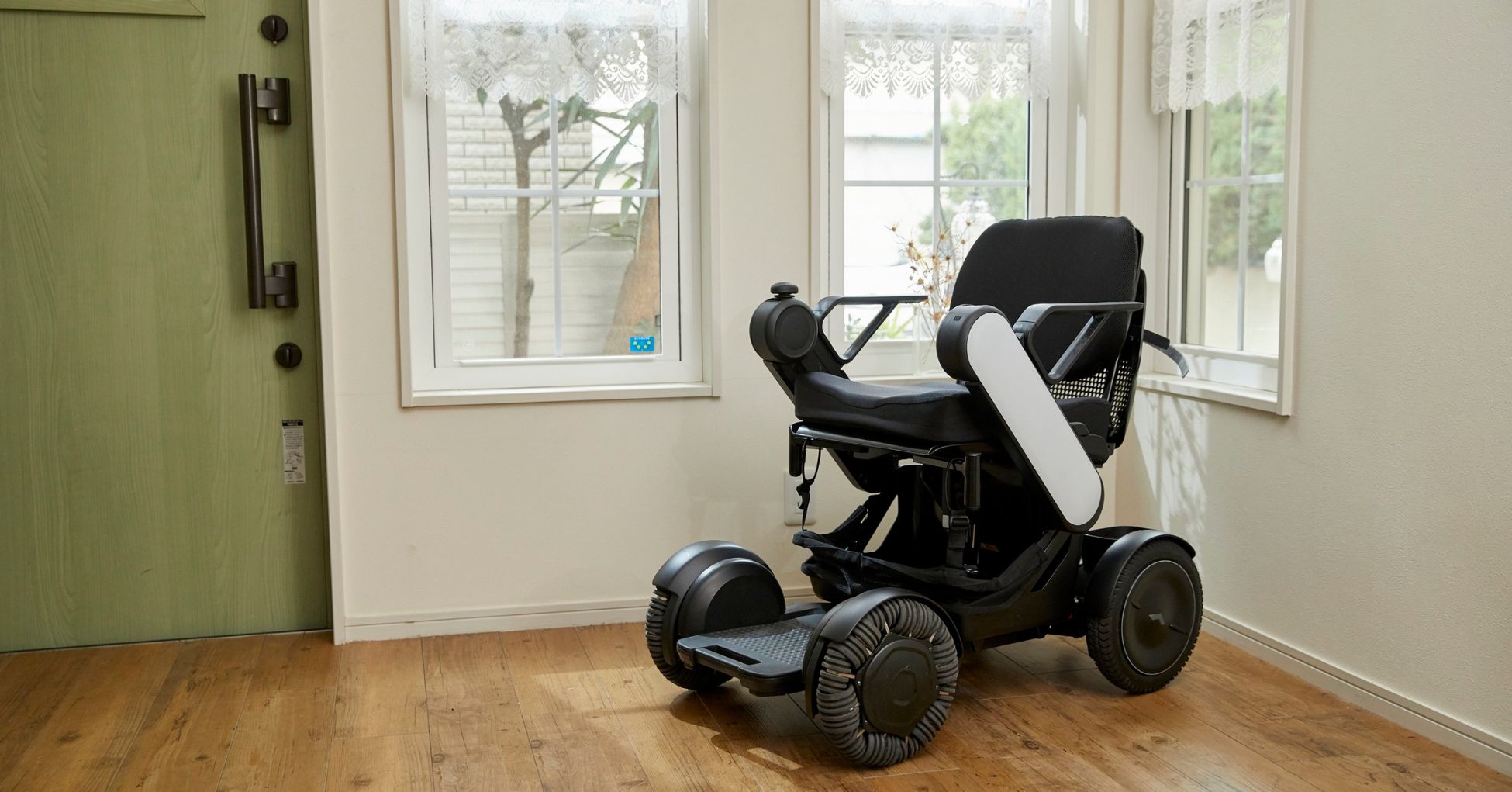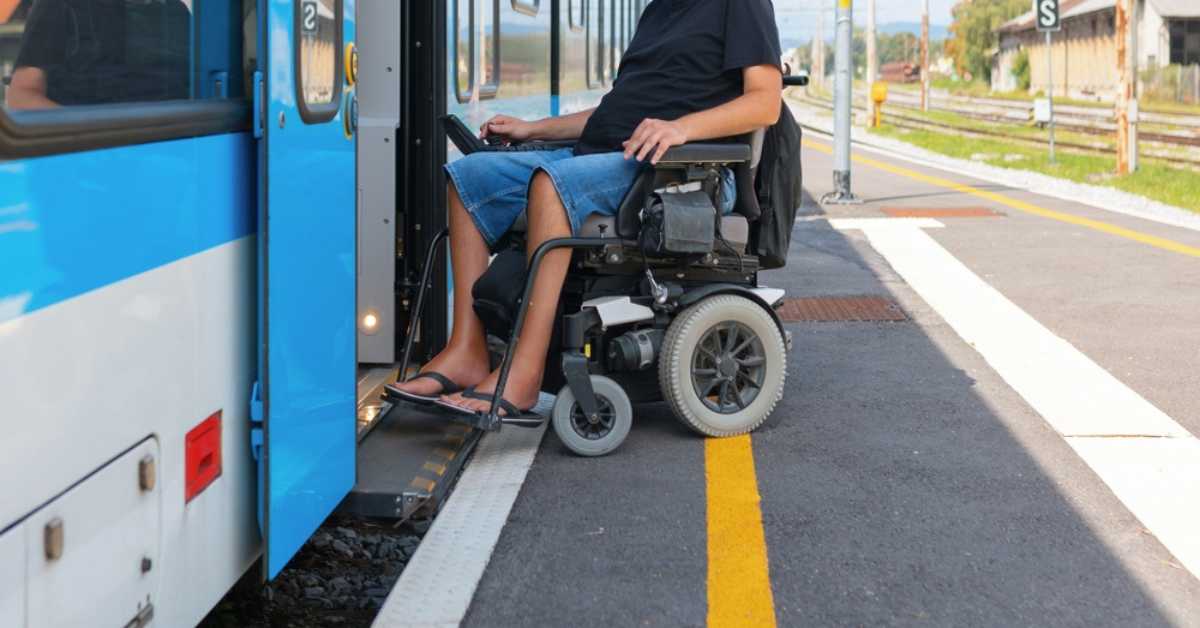
For individuals who rely on wheelchairs, movement is more than simply reaching a destination. It is about maintaining safety, independence, and confidence in a range of environments. In Canada, where infrastructure varies greatly between urban and rural areas and where weather can create additional barriers navigation has become an increasingly important aspect of mobility.
The ability to move through daily spaces with assurance requires more than just physical capability; it depends on timely, accurate guidance. This is where advancements in assistive technology, such as Navigotech’s sensor-based guidance system, play a vital role.
Challenges in Confined Spaces
Many public and private spaces offices, classrooms, shops, are not designed with wide, unobstructed pathways. This can make maneuvering in a wheelchair stressful, particularly when trying to avoid damaging property or risking injury.
Traditional assistive tools may simply alert a user when they are close to an obstacle. Navigotech’s approach goes further by providing directional cues through light, sound, or vibration helping the user adjust their path smoothly. This type of feedback reduces hesitation, prevents collisions, and increases overall confidence in tight environments.
The Added Complexity of Canadian Weather
Canada’s seasonal conditions pose unique mobility challenges. Ice, snow, slush, and even wet autumn leaves can turn accessible routes into potential hazards. Thin layers of ice may be nearly invisible, yet still enough to cause a wheelchair to slip.
Early warnings and guidance can help users adjust speed or take safer routes before encountering such hazards. In this way, navigation technology acts as an additional layer of awareness particularly valuable when visibility is poor.
Accessibility in Public Spaces
While Canadian regulations such as the Accessibility for Ontarians with Disabilities Act (AODA) set standards for building access, compliance varies. Older structures may still feature steep ramps, narrow entrances, or elevators with poorly timed doors.
Guidance systems can help mitigate these shortcomings by providing real-time alerts in situations where infrastructure falls short. For example, notifying a user of an approaching closing door or a narrow passageway allows them to adapt quickly and avoid potential accidents.
Travel Considerations
Whether traveling across the city or to another province, wheelchair users face additional navigation challenges. Elevators may be out of service, ramps may be blocked, or assistance may be delayed.
In such situations, having real-time feedback from a navigation system—such as alerts for obstacles or blocked paths—can be the difference between making a connection or missing it entirely. These capabilities are particularly valuable when time is limited, such as boarding a train or catching a flight.
Technology That Supports Independence
For any assistive device to be truly valuable, it must enhance independence rather than diminish it. Navigotech’s system is designed to guide, not control, allowing the user to remain in charge while benefiting from enhanced situational awareness.
The result is a balance between safety and autonomy, guidance when it is needed, and freedom when it is not.
Conclusion
Navigation is no longer a secondary concern for wheelchair users, it is a necessity. In the Canadian context, where environmental and infrastructural conditions vary widely, effective navigation technology can mean the difference between cautious, hesitant movement and confident, independent mobility.
By integrating systems like Navigotech’s into daily life, wheelchair users can experience smoother, safer travel in any setting, indoors, outdoors, and everywhere in between.